
Relational Ups and Downs vs. a Cycle of Abuse
Differentiating Between a Coercive Pattern and the Inevitable Seasons of Long Term Love
In abusive relationships, partners often go through a characteristic cycle of escalation. Tension builds. An incident of abuse occurs. There is a reconciliation in which the abusive partner might apologize or deny their behavior—or in which the victimized partner might initiate "making up" to feel safe again. There is a calm, peaceful, loving period, perhaps even a "second honeymoon." And then tensions start to build again.
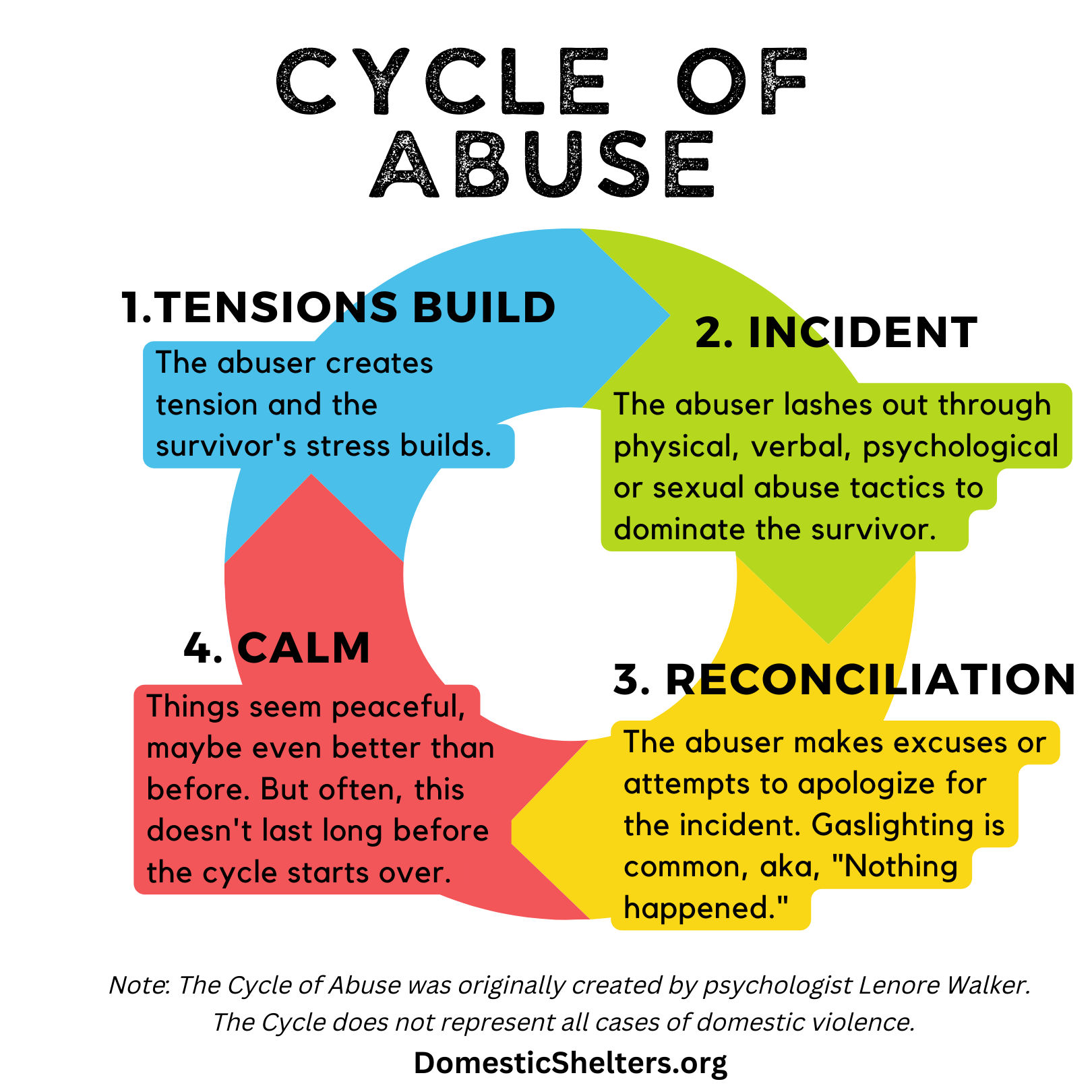
It's important to note that abuse does not always include this characteristic cycle. But abuse that involves coercive control very often does. The calm and reconciliation period function to provide enough stability that a victim starts to doubt things were that bad or thinks "it'll be better from here on out."
Spotting this cycle can be a critical moment for a victim of abuse, because it provides a new lens through which to see what is happening. It's not just a random rotation of ups and downs but an efficient process that maintains power and control dynamics. It is even more difficult to leave if the victimized partner doesn't yet recognize the reconciliation and calm periods for what they are.
And...it's also true that relationships of all kinds have cycles and seasons. Healthy, loving couples have periods of increased tension and periods of increased conflict. They have periods of repair. They have boring stretches.
For someone living in the cycle of abuse, it can be difficult (sometimes nearly impossible) to spot the pattern. And for folks who grew up in abusive homes or have survived prior abusive relationships, discerning the difference between normal ups and down and a toxic, coercive cycle can be honestly really tricky.
In today's Love Note, I'm exploring ways to differentiate between a cycle of abuse and the inevitable seasons and ebbs and flows of a lasting relationship. As a reminder in case you're new, I have a free course all about differentiating high conflict and abusive relationships; if you're struggling to figure out where your partnership falls, it may be a helpful resource for you.
Let's dive right in.